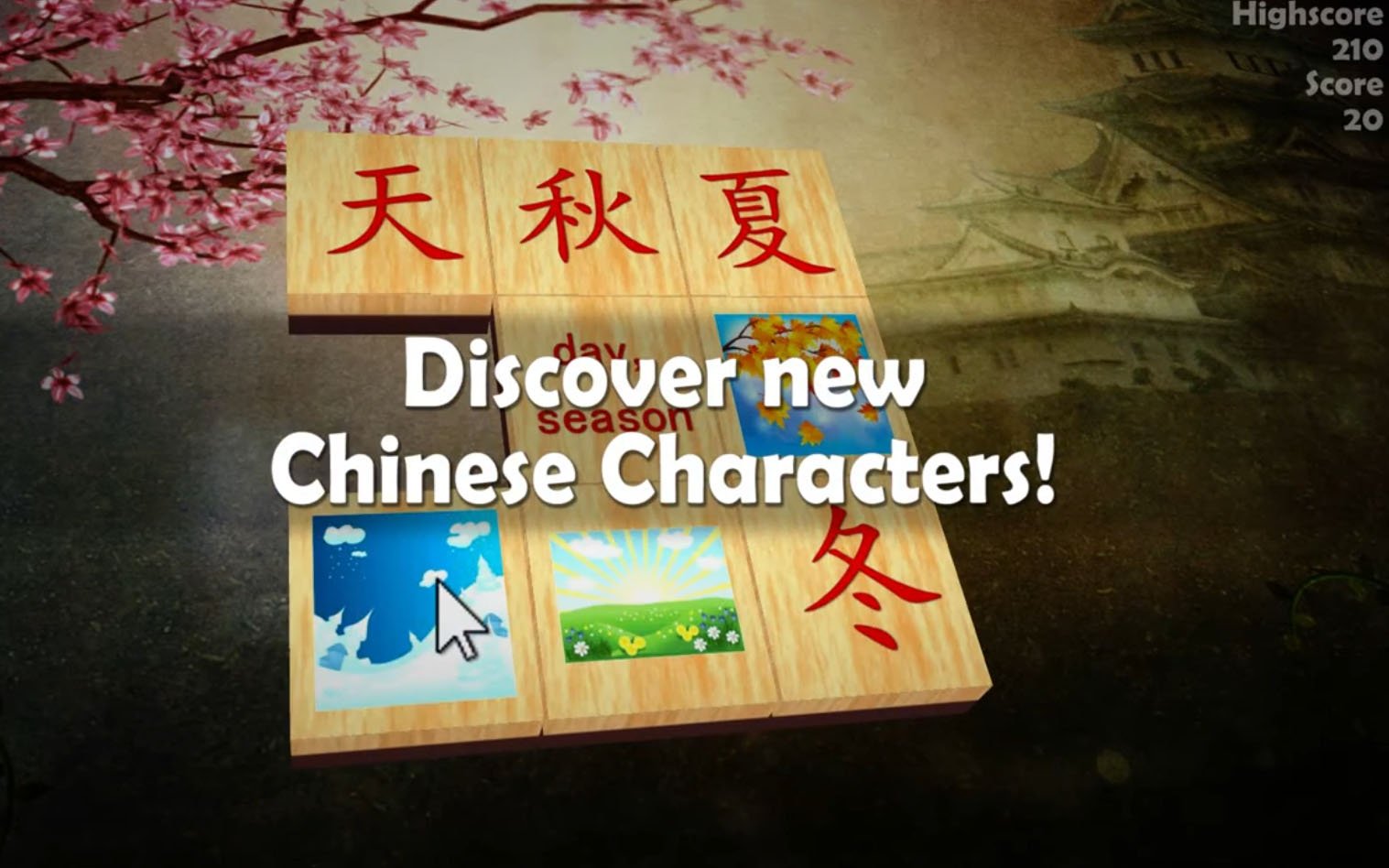
Can you imagine entering a 3D space to learn languages, history or mathematics? I believe it will be an inevitable tool in our future learning process. This is a growing field, a blue ocean for developers. I am curious how these system will change the field of education.
There are many prototypes and solutions. Here I just list a few of them:
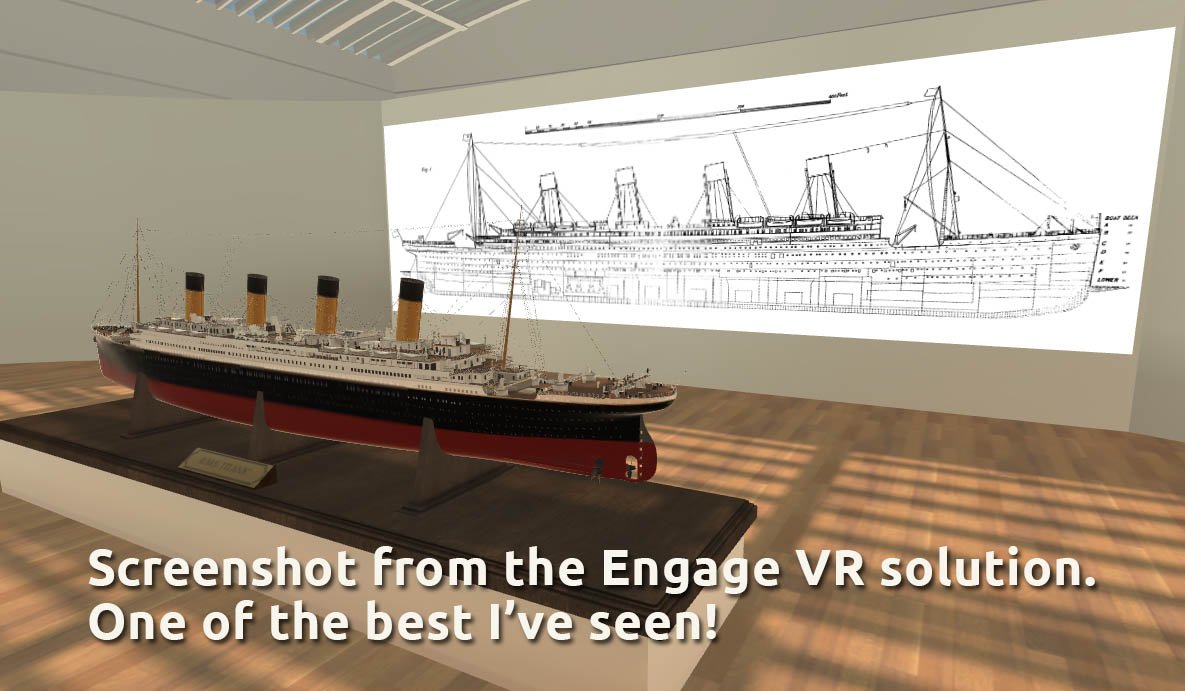
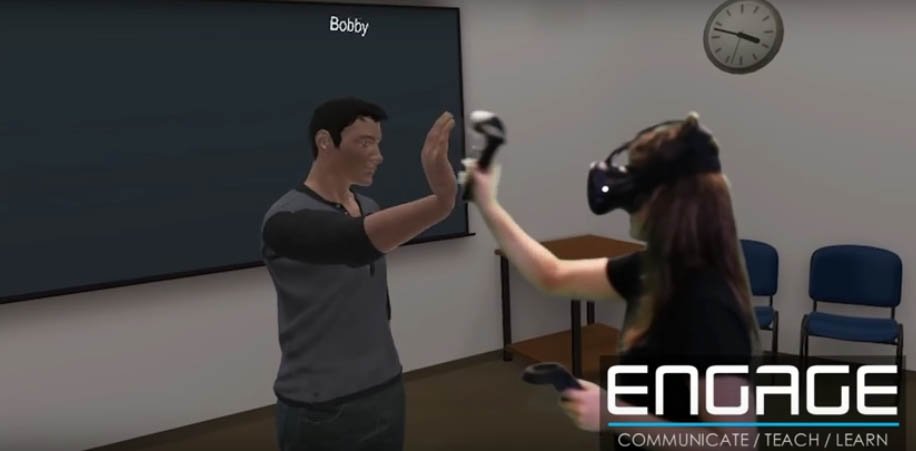
- Engage Virtual Reality Education Platform (nice concept and execution!)
- Real Virtuality – A super immersive multi-user VR platform
- Article collection: Multi-User Virtual Reality
The video is of course from the Engage team. Their software is great, it’s worth trying it. You can use it in non-VR mode too on a PC. It may have a few limitations though: You need a windows system to use it.
So how can we contribute in this field? Maybe by getting rid of some limitations?
It is possile to create a VR space with the following properties:
- VR and non-VR mode: You can enter the same space using VR and using just a normal computer screen
- Platform independence: you can enter using cardboard, Gear VR, Oculus, Vive, PC, Mac or practically any other Unity 3D target device
- Massive multi-user experience: It is possible for a few hundred users to be present in the same space, mixing VR, non-VR and all platforms.
I wonder why this space doesn’t exist already? So we set out to push this concept at least until a well usable prototype stage. What we did:
- server structure to store user locations and directions
- client functionality to read all user locations in every 100 ms
- client funcitonality to post own user location every 100 ms
- Tested on these platforms: WebGL, PC, Android and Unity editor (should work on any platform)
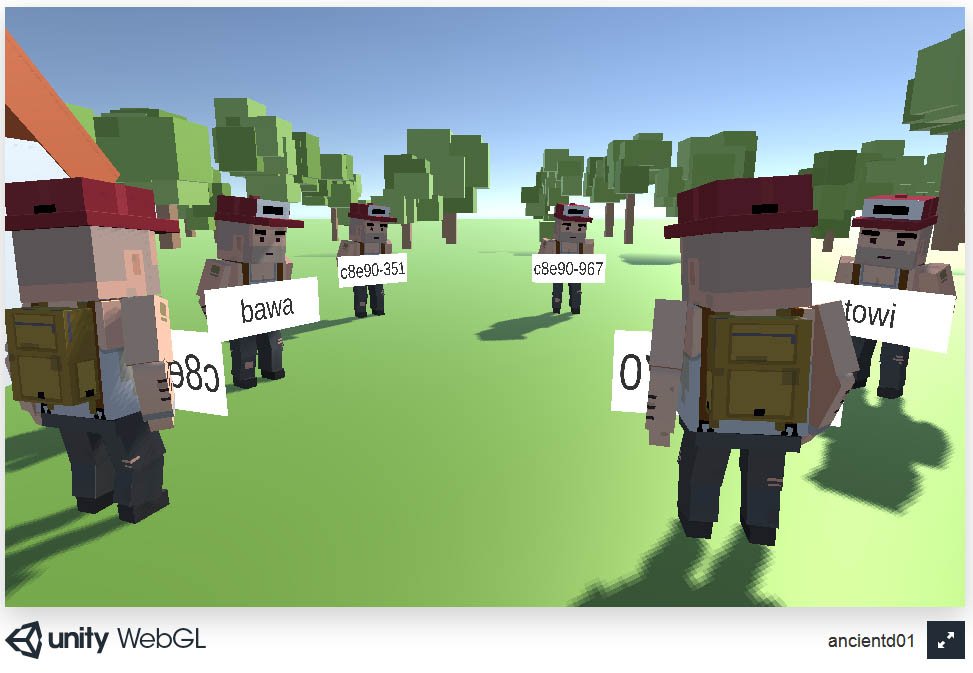
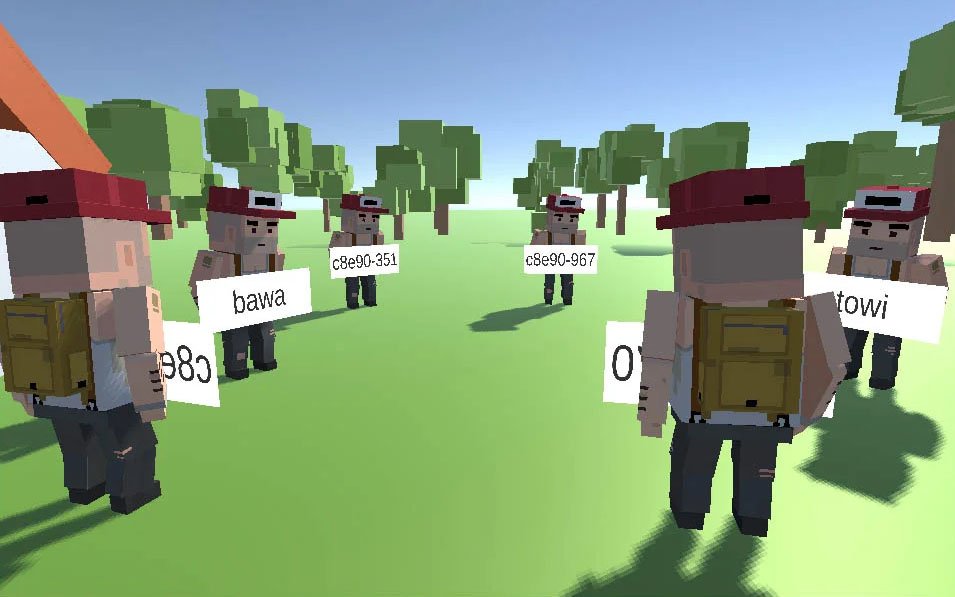
Of course this is just a pretotype – I am really embarassed to show this humble picture – but already users from different platforms are present.
Our next steps:
- Research similar solutions, like Engage (4-8h)
- Clarify necessary functionalities (4-16h)
- Build prototype that we can publish (8-32h)
- Look for possible partners (writing emails basically 1-3h)
Our questions for you:
- What content would you put into this environment?
- What would be your main user device?
- What feature would be the most critical for you?
We are in this together. Let us know how we can help creating our future education platform.
Author: Zsolt Balai, software developer and 3D learning space designer. This article was first published on ancientc.com, then moved here to learnandsmile.net.


 We don’t need much information for a certificate, just about 6-10 fields. This can be stored in a simple text format, json, XML or anything flexible and human readable. The case is that any advanced computer system in 2030(2080) should be able to read and evaluate it correctly.
 In our store data valid links would point to certifying institutions. A call to this link shows valid information about details of the certificate from the storage of the institution.